Why Windows Condense in Winter - Even When They're High-Performance
Most homeowners assume condensation on windows means something failed.
In reality, condensation is usually a sign of temperature, humidity, and airflow conditions - not bad windows.
If windows actually made water, we'd all be rich.
Here's what's really happening when your sunroom glass starts to sweat in winter.
Why Condensation Happens
Windows are often the coldest surfaces in a room.
When warm, moist indoor air touches cold glass, it reaches its dew point and turns into liquid water.
Sunrooms are especially prone to this because they often have:
- Large areas of glass
- Higher sun exposure
- Indoor plants or added humidity
- Larger temperature swings than the rest of the home
Condensation on the interior glass is usually a building-environment issue - not a window defect. "why caulk isn't flashing"
1. High Indoor Humidity
The most common cause of window condensation is humidity.
During winter, indoor humidity should typically stay between 25% and 35%. When humidity rises above that level, moisture naturally collects on cooler surfaces like glass.
Sunrooms often hold more humidity than other rooms, which makes condensation more noticeable.
2. Large Temperature Differences
Even high-performing windows have limits.
In sub-freezing weather, the interior glass surface can still drop below the dew point if the outside temperature is much colder than the inside.
Many windows include a Condensation Resistance Factor (CRF) rating. Higher CRF values generally mean better resistance to condensation - but no window can eliminate it entirely under extreme conditions.
AAMA Gold Label certification confirms high manufacturing standards, but it does not mean condensation can never occur.
3. Lack of Air Circulation
Sunrooms are often "all glass," which can create stagnant air near window surfaces.
When air doesn't move:
- Cold air lingers against the glass
- Moisture builds up
- Condensation increases
Simple improvements include:
- Running a ceiling fan
- Keeping blinds or drapes open
- Allowing warm air to move across the glass
4. Condensation Between Panes = Different Problem
If you see moisture between the glass panes that you cannot wipe away, this may indicate a failed seal in the insulated glass unit (IGU).
When this happens:
- Performance is reduced
- The sealed unit may need replacement
- Manufacturer warranty coverage should be reviewed
AAMA certification confirms how the window was manufactured - but warranty coverage comes from the manufacturer.
5. Pocket Replacement Windows Can Contribute
Not all replacement windows are installed the same way.
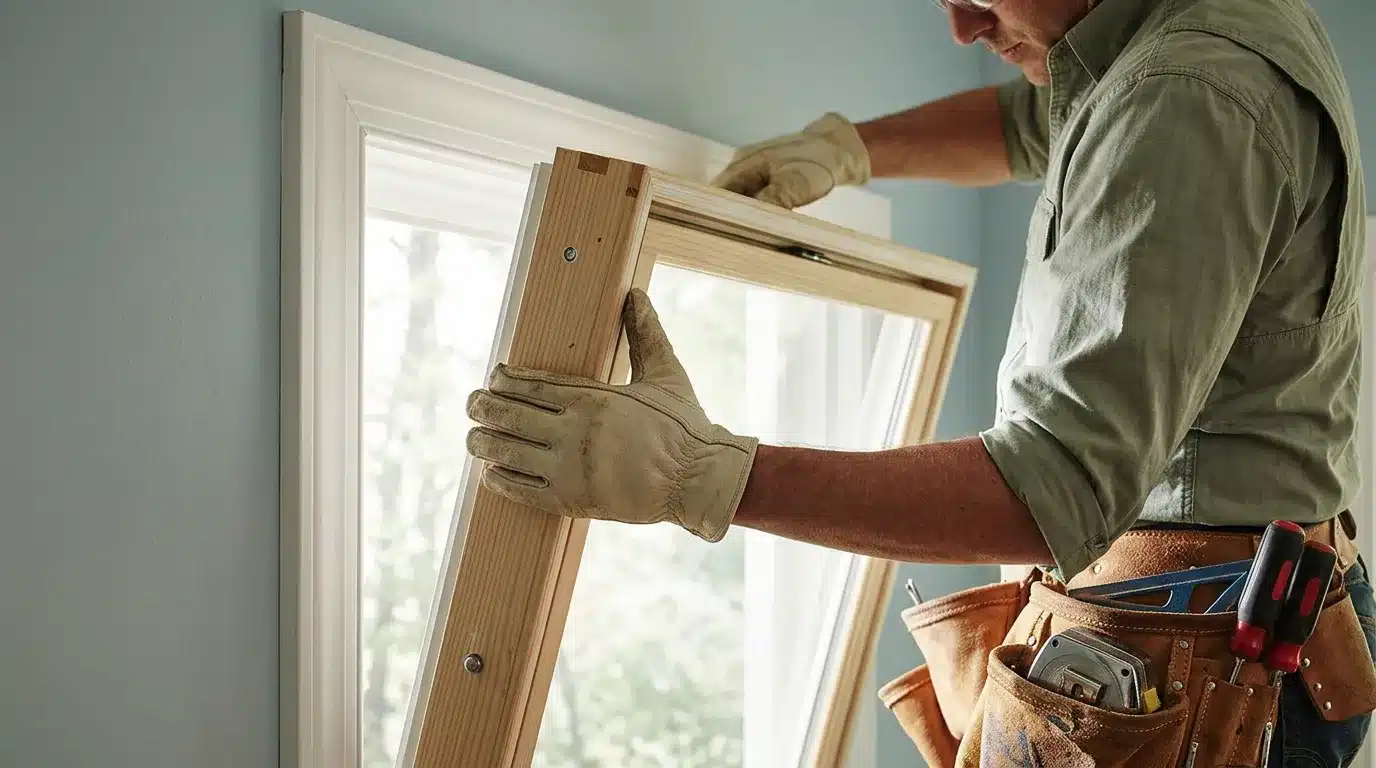
Many remodels use pocket replacement windows (also called insert windows), which install new windows inside the existing frame.
While this method can be faster and less expensive, it can also contribute to condensation issues.
Why?
- The original frame stays in place.
- Insulation between the old frame and wall framing may be missing or compromised.
- Thermal gaps can remain around the opening.
Those gaps allow more cold transfer, which lowers interior glass temperature and increases condensation risk.
This is one reason we often recommend full-frame window replacement when possible. It allows us to inspect insulation, correct flashing, and rebuild the opening as a complete system.
In many cases, condensation is less about the glass - and more about how the window was integrated into the structure.
When Should You Actually Worry?
Condensation is usually normal when:
- It appears on the interior surface
- It happens during very cold weather
- It improves with airflow or humidity control
You should investigate further if:
- Moisture appears between glass panes
- Condensation persists year-round
- Water damage develops around trim or framing
Stop Guessing - Find the Real Source of Your Window Leak
Water rarely enters where you think it does. In most cases, leaks start above or around the window due to flashing or installation issues not the window itself.
We take a system-based approach to diagnose the issue and fix it correctly the first time. Book a Professional Assessment
Quick Answers
Why do sunroom windows sweat in winter? Warm indoor air hitting cold glass reaches its dew point and forms condensation.
Do AAMA Gold Label windows prevent condensation? No. They improve performance but cannot eliminate condensation in every condition.
What humidity level helps prevent window condensation? Indoor humidity should generally stay between 25-35% during winter months.
Can pocket replacement windows cause condensation? Yes. Remaining old frames and insulation gaps can increase cold transfer and condensation risk.
Is condensation between panes normal? No. This often indicates seal failure and may require glass replacement.
The Bottom Line
Condensation on sunroom windows usually isn't a failure - it's a reminder that windows, humidity, insulation, and airflow all work together.
If you're seeing condensation and aren't sure whether it's normal humidity or a construction detail that needs attention, that's usually a sign the system deserves a closer look - not just the glass. If you're dealing with leaking windows, you can learn more about how we diagnose and fix these issues on our "window replacement services in Kansas City"