One of the most common questions homeowners ask is:
“How long should my deck last in Kansas City?”
The honest answer is: it depends on how the deck was built, the materials used, and how well moisture is managed. Kansas City’s climate—freeze-thaw cycles, humidity, heavy rain, and hot summers—can significantly shorten deck lifespan when construction details are overlooked.
Below is a real-world, contractor-level breakdown of what actually affects deck longevity in the Kansas City and Johnson County area.
Average Deck Lifespan in Kansas City (Realistic Expectations)
Pressure-Treated Wood Decks
Typical lifespan: 15–25 years
Shorter lifespan when:
- Posts are too close to grade or buried
- Ledger boards lack proper flashing
- Moisture gets trapped in framing
- Decks are shaded and slow to dry
Many older decks in the Kansas City area fall on the lower end of this range due to outdated construction methods.
Composite Decking
Decking boards: 25–50 years
Important limitation:
Composite decking often outlasts the wood subframing beneath it
This mismatch is one of the most common reasons homeowners end up rebuilding a deck sooner than expected—even though the composite boards still look new.
Why Decks Fail Faster in Kansas City
Kansas City decks are exposed to:
- Freeze-thaw cycles that loosen fasteners
- High humidity that accelerates rot
- Heavy spring rains that saturate framing
- Summer heat that dries and cracks wood
- Snow that traps moisture against structural components
Most deck failures start at the structure—not the surface.
“Common deck building mistakes that shorten lifespan”
One Upgrade That Can Extend Deck Life: Joist Flashing Tape
A simple but highly effective way to extend deck lifespan is adding joist flashing tape over the tops of joists, beams, and stringers.
Why Joist Flashing Matters
- Creates a moisture barrier on the most vulnerable surface of the framing
- Reduces water penetration at fastener locations
- Slows rot and decay in wood substructure
- Especially valuable under composite decking, which sheds water onto the framing below
While not required by code, joist flashing tape is highly recommended. Quality butyl-based tapes can protect framing for 20–30 years when installed correctly, potentially adding years of usable life to a deck at a relatively low cost.
Think of joist tape as insurance for your subframing—a small upgrade that helps keep water out of the structure where damage usually begins.
Subframing Materials Matter More Than Most Homeowners Realize
The decking surface gets the attention, but the subframing is the backbone of the deck—and material choice plays a major role in how long the deck lasts.
Standard Pressure-Treated Lumber (AC2 and Similar)
Most common and cost-effective option
Higher moisture content
More prone to movement, warping, and twisting
Shorter lifespan when moisture is not well controlled
These frames can perform well when built correctly, but they are also the most sensitive to poor detailing and moisture exposure.
Higher-Grade Lumber (#1 Yellow Wood – Dry Treated)
Using #1 yellow wood, which is typically a dry-treated lumber, offers meaningful advantages:
- Lower moisture content at installation
- Significantly less shrinkage and warping
- More consistent framing and flatter deck surfaces over time
Compared to cheaper AC2 alternatives, higher-grade lumber moves less and holds fasteners better, which can translate into longer structural life and fewer long-term issues.
Engineered Wood Subframing
Engineered products such as LVL (Laminated Veneer Lumber) can also be used for deck subframing in appropriate applications.
Benefits include:
- High strength and consistent dimensions
- Reduced twisting, splitting, and movement
- Better performance under heavy loads or longer spans
When properly protected from moisture—especially with joist flashing—engineered lumber can outperform standard treated wood in both stability and longevity.
Steel Deck Framing (Longest Lifespan Option)
For homeowners who want a structure that can truly match the lifespan of composite decking, steel subframing is the premium solution.
Advantages include:
- No rot, decay, or insect damage
- Minimal movement over time
- Excellent dimensional stability
- Designed to last 50 years or more in many applications
Steel framing costs more upfront, but when paired with long-lasting composite decking, it can result in a deck system that does not require structural replacement during the life of the decking.
Maintenance vs Structural Life (Important Distinction)
Maintenance helps—but it has limits.
Maintenance Helps With:
- Surface wear
- Splintering
- Appearance
Maintenance Does NOT Fix:
- Hidden rot
- Improper ledger attachment
- Undersized or settled piers
- Structural framing failure
A deck can be well-maintained and still be structurally near the end of its life.
“Deck subframing options and how they impact longevity”
Appearance vs Actual Deck Lifespan
A deck can:
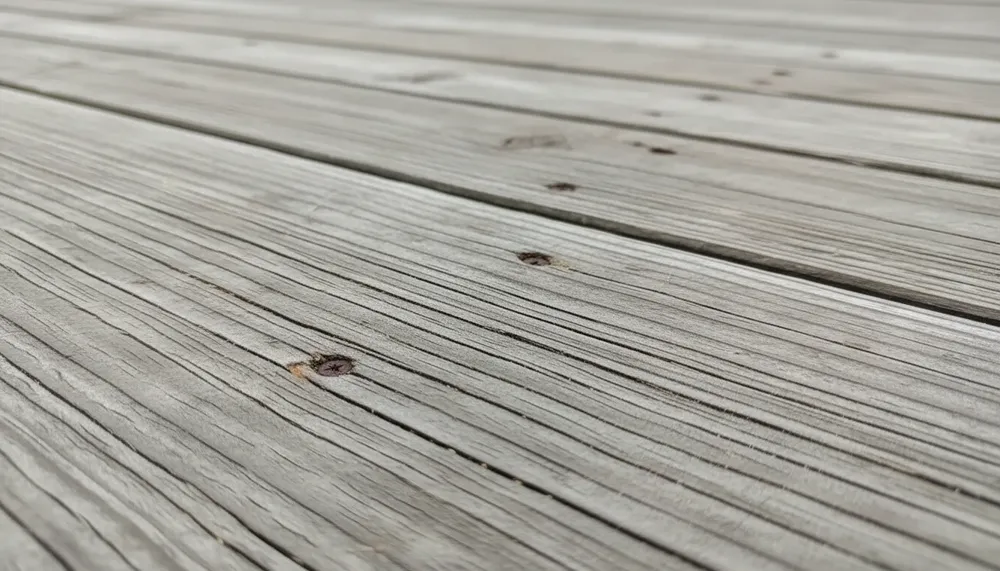
- Look worn but still be structurally safe
- Look great while hiding serious structural issues
Surface appearance alone is not a reliable indicator of how much life a deck has left.
Professional Perspective
At Acumen Renovations, we evaluate decks based on remaining safe service life, not just age or appearance.
Our inspections focus on:
- Framing condition
- Ledger attachment and flashing
- Post bases and footing stability
- Moisture exposure and drainage
The goal is to give homeowners a clear, honest expectation—not guesswork.
“Why some deck safety issues go unnoticed until failure”
How Long It Lasts Depends on How It’s Built
A deck doesn’t fail because it got old — it fails because of how it was designed and built from the start.
In Kansas City, wood decks may last around 10–15 years, while composite options can last decades — but only when the structure underneath is done right. ()
If you want a deck that actually lasts, the details matter more than the materials.
Schedule your consultation and build it to last the first time.
Q&A: Deck Lifespan in Kansas City
How long do wood decks last in Kansas City?
Most pressure-treated wood decks last 15–25 years in the Kansas City climate, depending on construction quality, moisture exposure, and materials used.
Does joist flashing tape really help a deck last longer?
Yes. Joist flashing tape helps prevent water from penetrating the tops of joists and around fasteners, which can significantly slow rot and extend the life of the deck sub framing.
Is higher-grade lumber worth it for deck framing?
In many cases, yes. Higher-grade dry-treated lumber such as #1 yellow wood typically moves less and performs more consistently than lower-grade alternatives, which can improve long-term deck performance.
Can a deck last as long as composite decking?
It can—if the subframing is built with long-lasting materials such as steel or properly protected engineered lumber. Standard wood framing often does not last as long as composite boards.
How do I know how much life my deck has left?
The only reliable way is a professional inspection that evaluates framing, ledger attachment, posts, footings, and moisture exposure—not just the visible decking surface.